ServicesEquipment Installation
Loading Dock Equipment Installation in Shenandoah
We install dock levelers, vehicle restraints, seals, shelters and bumpers at working facilities. You get a written schedule before we start, an arrival window you can plan around, and a heads-up the moment anything changes, so your receiving team is never left guessing.
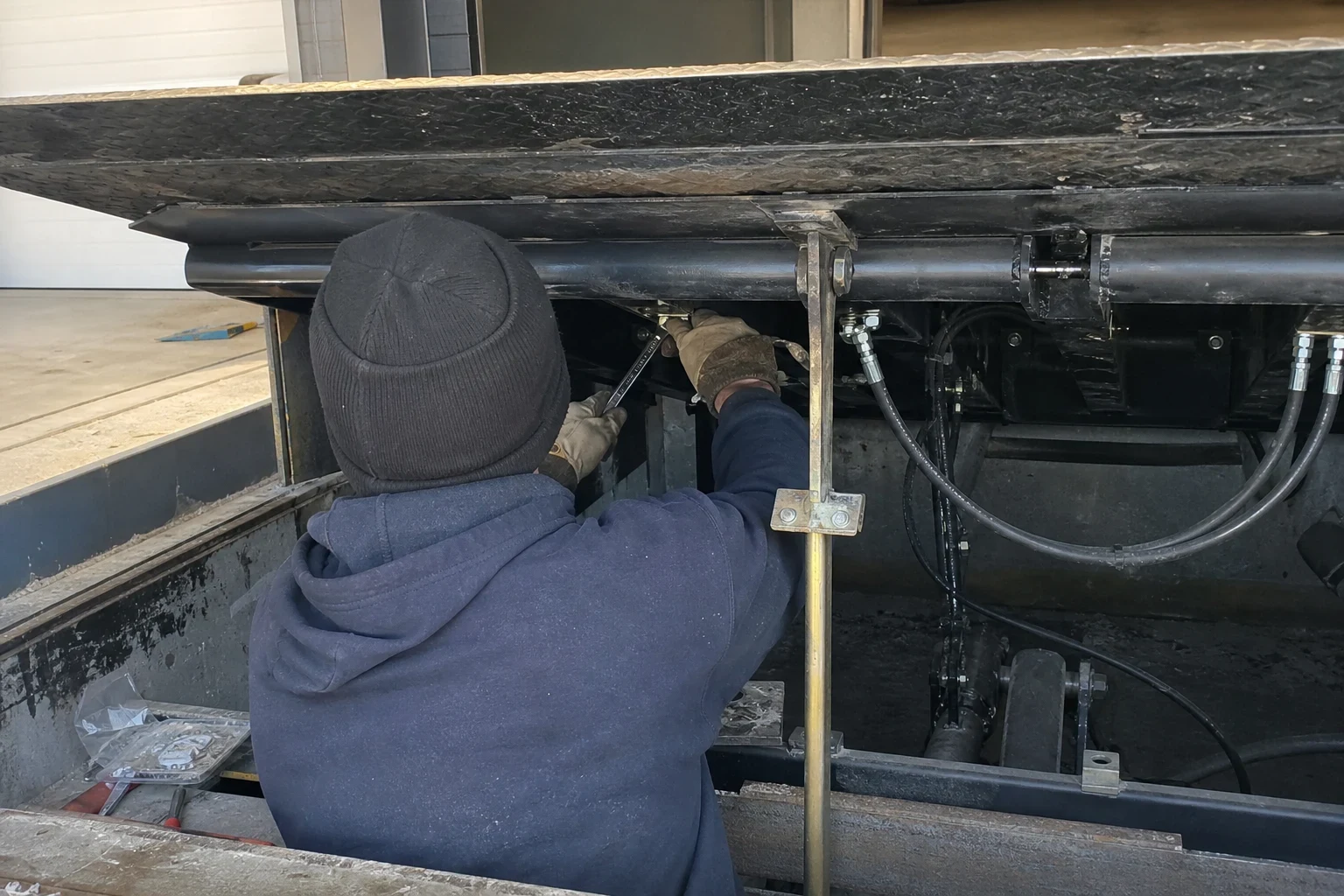
New dock equipment, put in without stalling your shipping
Installing dock equipment is part construction and part logistics. A new leveler has to sit square in the pit and meet the trailers you actually receive. A vehicle restraint has to be wired so the door, the light and the restraint work together. Most of the real risk is in the planning: which door goes down, for how long, and what happens to the trucks booked for that day.
So we plan the schedule with you first. We look at your inbound and outbound windows, pick the doors and days that cost you the least, and tell you how long each dock will be out of service. If a part ships late or the pit needs more work than expected, you hear about it from us right away, with a new date, not on the morning of the job.
Our installers are OSHA 30 certified, and they treat a working dock like the busy floor it is.
What an installation covers
Dock levelers
We set hydraulic, mechanical and air-powered levelers in new or existing pits, shim them level, and weld them to the embedded curb angle. Each unit is cycled under load before we hand it back. Our Dock Levelers page covers repair of the units you already have.
Vehicle restraints
Hook-style and wheel-based restraints are bolted to the dock face or the approach, then wired to the red and green lights inside and out. If you like, we tie the restraint into the overhead door and leveler controls so neither runs until the trailer is locked in place.
Seals, shelters and bumpers
We size seals and shelters to your door opening and trailer mix so they close the gap without being torn by every truck. Bumpers are bolted at the right projection to protect the wall and the leveler lip.
Removal of old equipment
Worn-out levelers, cracked bumpers and failed seals come out and leave the site with us. We clean up the pit and the dock floor before the new unit goes in.
Testing and a short walkthrough
Before we leave, we run each piece of equipment with your team and show them the controls, the safety stops and what normal operation looks like.
When replacing dock equipment makes more sense than fixing it
The same unit is back on the repair list
If one leveler has needed a cylinder, a hinge and a lip repair inside a year, putting in a new one usually costs less than the next fix plus the downtime it brings.
Your trailers have changed
Air-ride trailers, reefers and low-deck vans can sit outside the range of an older leveler. Steep ramps and a lip that will not reach the bed are a sign the equipment no longer fits your freight.
No way to hold the trailer
If you still rely on wheel chocks alone, or drivers pull away during loading, a vehicle restraint is a direct fix for one of the most common dock accidents.
Drafts and heat loss at the door
Daylight around a parked trailer means torn or undersized seals. During a Schuylkill County winter that gap lets in cold air, snow and moisture that make the dock floor slick.
A new door or a building expansion
Adding docks or converting a door is the best time to install matched equipment, since the pit, power and wall work can all be lined up together.
How an installation runs
- 1
Site visit and measurements
We measure the pit, door opening, dock height and approach, check the curb angle and concrete, and ask what trailers you receive. That tells us what fits and what prep the dock needs.
- 2
Written scope and timeline
You get a written scope listing the equipment, the prep work and the days each dock will be out of service. We set an arrival window that works with your shifts and confirm it again the day before.
- 3
Prep and staging
Equipment is delivered and checked before we take a door down, so a dock is never opened up while we wait on parts. If electrical or concrete work is needed, it happens in the order the plan shows.
- 4
Install with the other doors open
We normally take down a single position while your remaining doors keep loading and unloading. The work zone is coned off and kept away from forklift traffic.
- 5
Test, walkthrough and handoff
Each unit is cycled, adjusted and run with your staff. We tell you what preventative maintenance it will need and when.
What moves the price of new dock equipment
No two docks are alike, so the quote comes from the site visit, not a catalog number. Your written quote separates equipment, labor and any prep work, and we go through each line with you before you decide.
- Type of equipment
- A hydraulic leveler costs more than a mechanical one, and a wheel-based restraint more than a hook. We will tell you honestly when the simpler option does the job.
- Condition of the pit
- A sound pit with good curb angle is quick to work with. Broken concrete, rusted steel or a pit sized for an older leveler adds rebuild work.
- Power and controls
- Powered levelers and interlocked restraints need electrical service and control wiring at the door. Existing power keeps this part simple.
- Number of doors and timing
- Doing several docks in one project saves mobilization time. Work set for nights or weekends to protect your shipping days can change labor costs.
Installation questions we hear often
Something not covered here? (570) 533-9838
How long will each dock be out of service?
It depends on the equipment and the pit. A seal or bumper swap may take part of a shift, while a leveler going into a pit that needs repair can take longer. Your written plan shows the expected time for each door, and if anything changes we call you with a new estimate before it affects your trucks.
Can you work around our shipping hours?
Yes. We build the calendar around your busiest receiving windows and can plan work for slower days or off-shift hours. Tell us which doors you can spare and when, and we will plan from there.
Will you install equipment we bought somewhere else?
In most cases, yes. We will look at the equipment and the dock first to make sure it fits the pit and your trailers. If you have not chosen equipment yet, our Loading Dock Equipment Sales page explains how we help you pick it.
Is the installation covered by a warranty?
Yes. Our labor on every install is covered by a 1-year labor warranty. The equipment itself carries its maker's warranty, and we will walk you through what that includes for the units you pick.
Can a new leveler go into our existing pit?
Often it can. We check the pit dimensions, the concrete and the curb angle during the site visit. If the pit needs repair or resizing, we tell you before work starts and include it in the written scope.
Who will be working at our facility?
Our own installers, not a crew we have never met. They follow your site rules, keep the work area marked off from forklift traffic, and check in with your dock supervisor when they arrive and again before they leave.
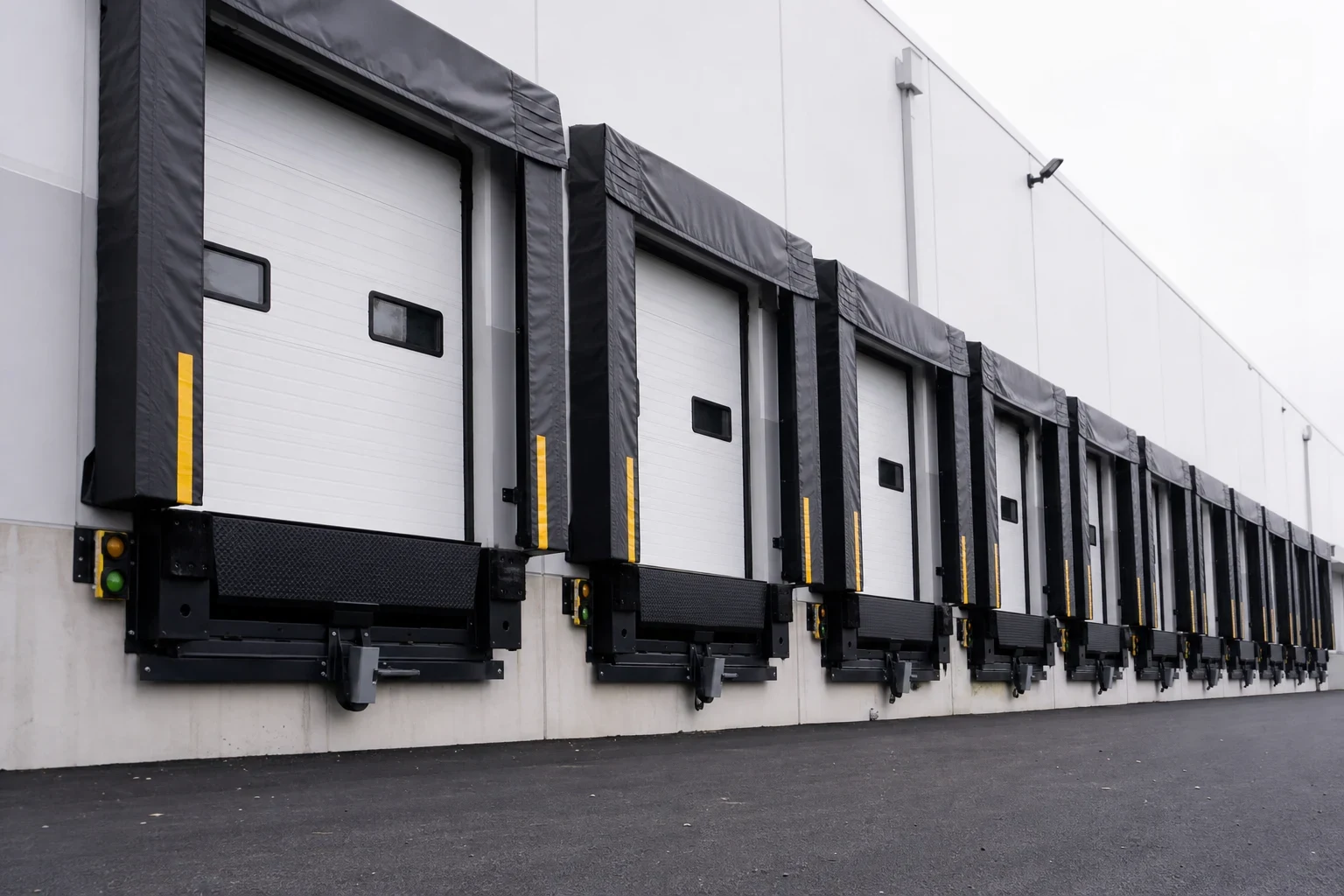
Ready to plan your dock project?
Tell us which doors need work and when your slow days are. We will set up a site visit in Shenandoah, Frackville, Pottsville or nearby and give you a timeline you can share with your team.